Photographs from above and along the Riviera Maya.
Fotografías desde el aire y a lo largo de la Riviera Maya.
Fine Art Prints — 133 works across six collections, printed to order.
Impresiones de Arte — 133 obras en seis colecciones, impresas bajo pedido.
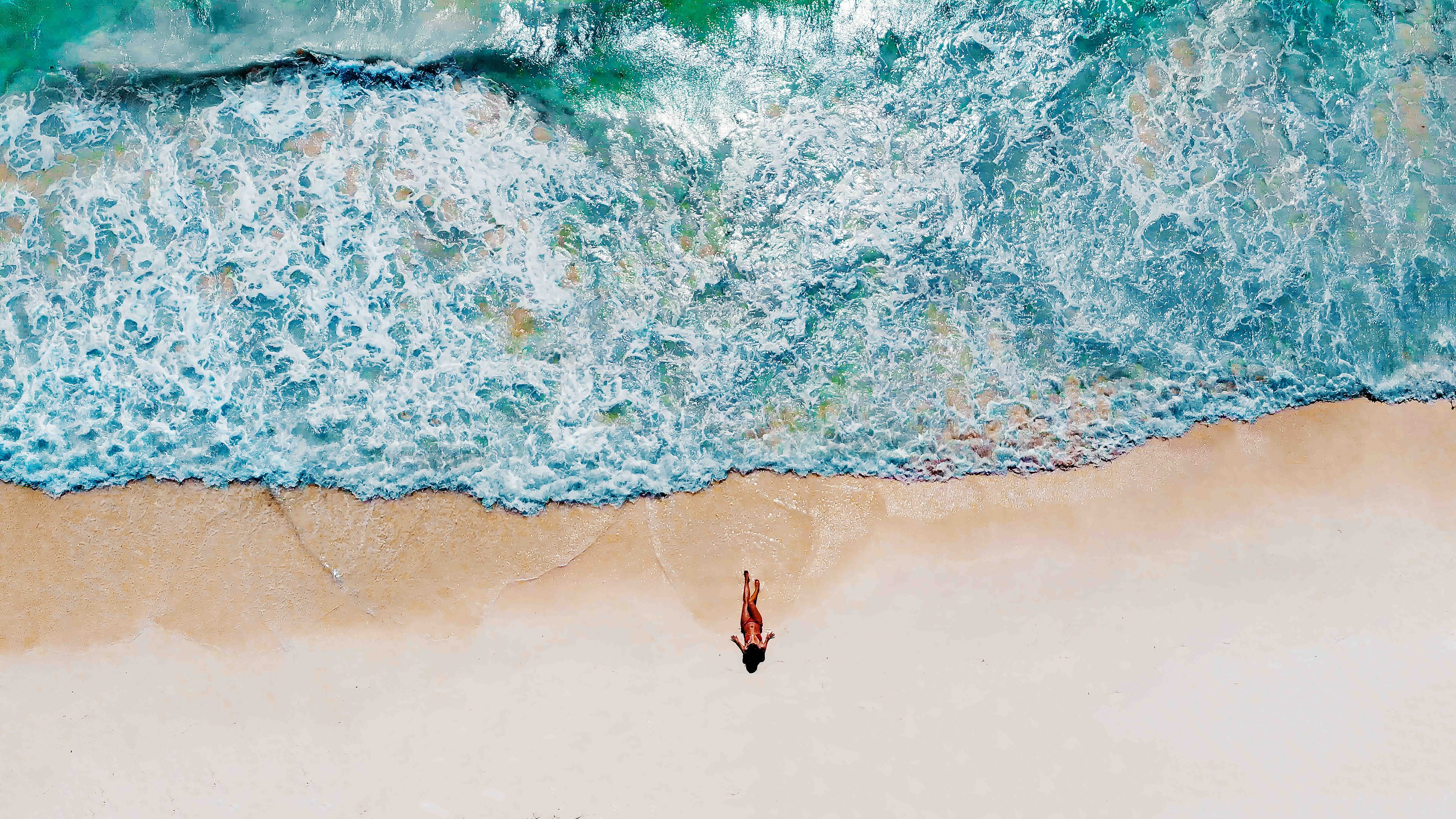 AerialAéreoThe Riviera Maya coastline from above — reef lines, breakers, and island panoramas.La costa de la Riviera Maya desde el aire — arrecifes, rompientes y panorámicas de islas.
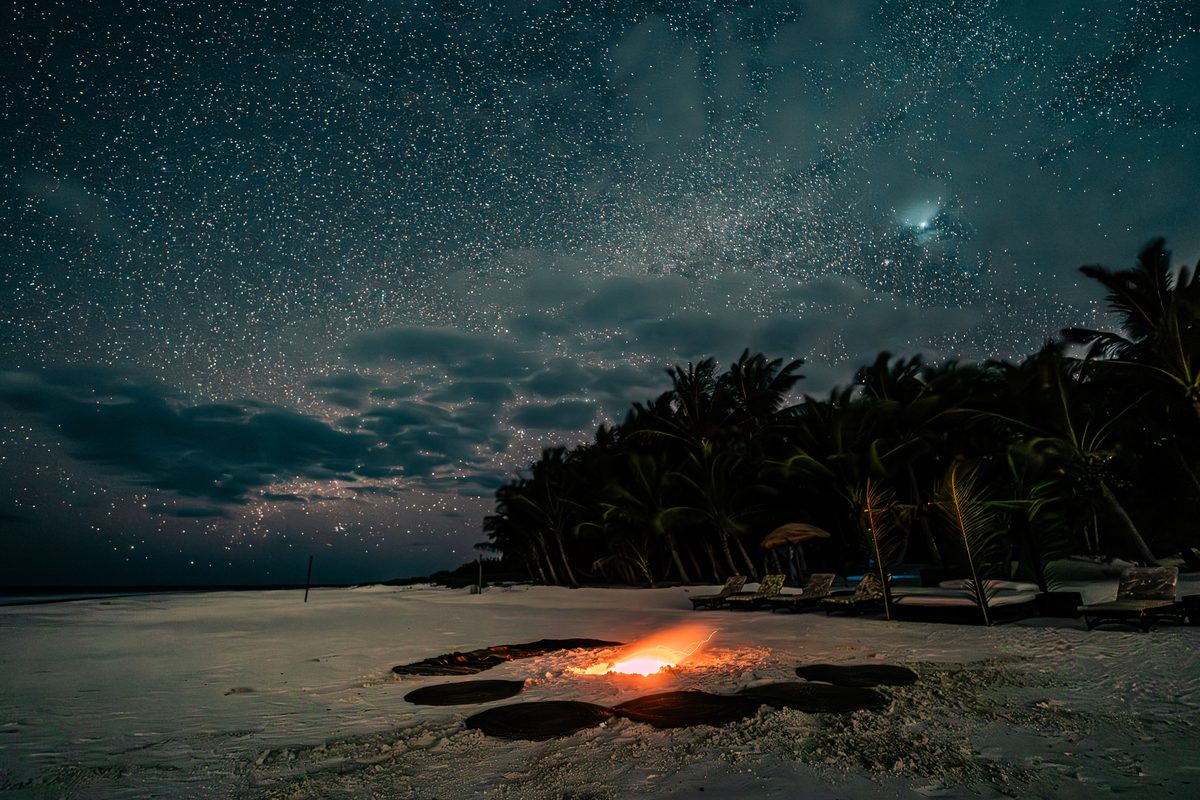 NocturneNocturnoMilky Way, moonrise, and the coast after dark.Vía Láctea, salida de luna y la costa después del anochecer.
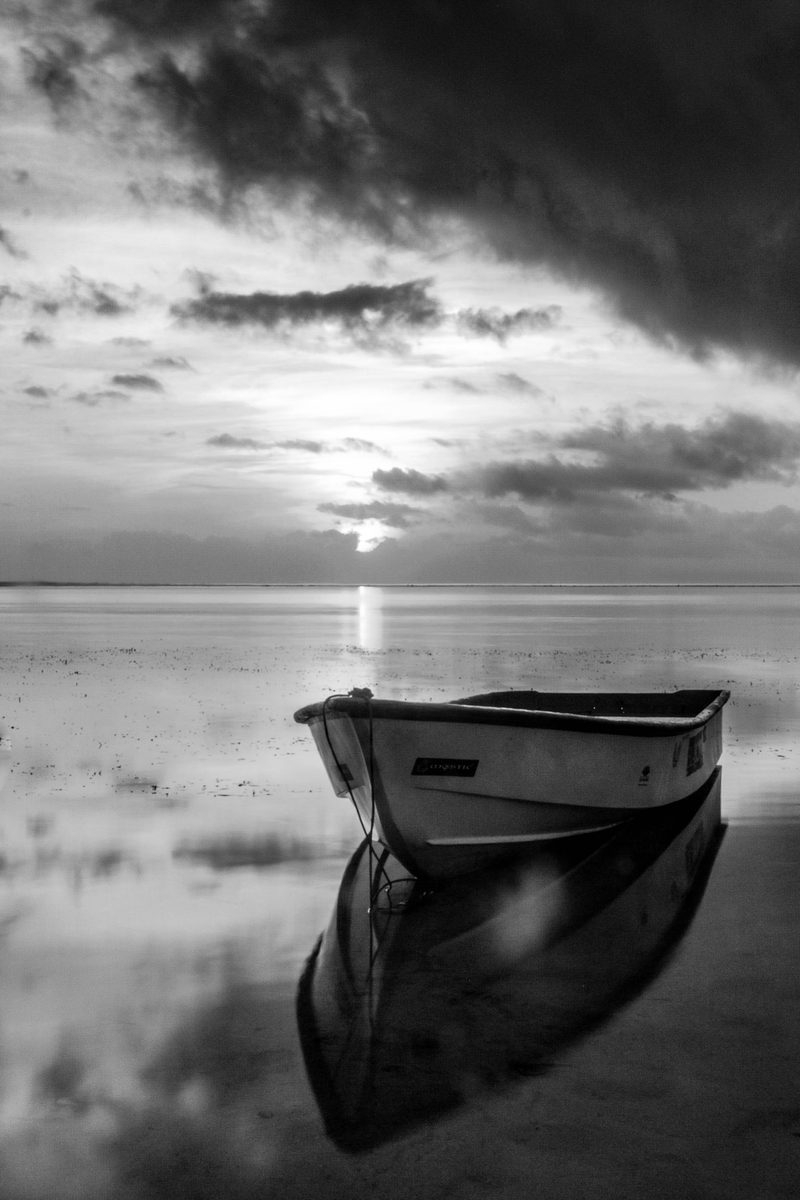 MonochromeMonocromoBlack-and-white studies — coastal minimalism and nature macro.Estudios en blanco y negro — minimalismo costero y macro de naturaleza.
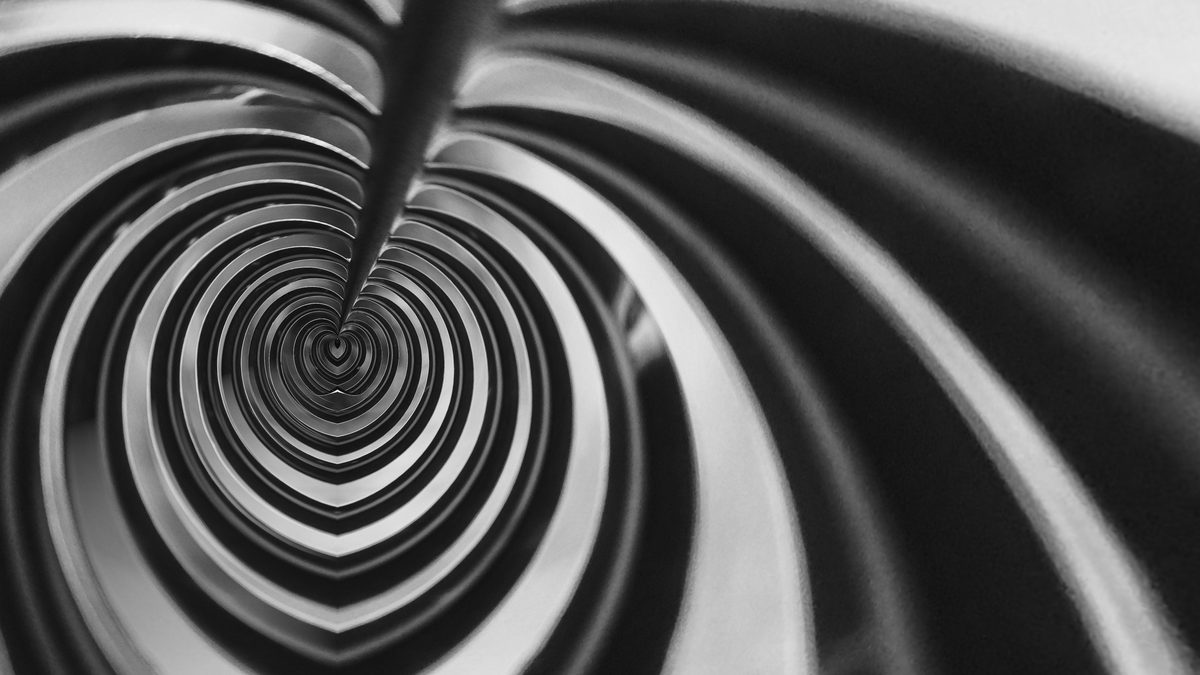 AbstractionAbstracciónSwirl and kaleidoscope editions drawn from natural forms.Ediciones de espirales y caleidoscopios a partir de formas naturales.
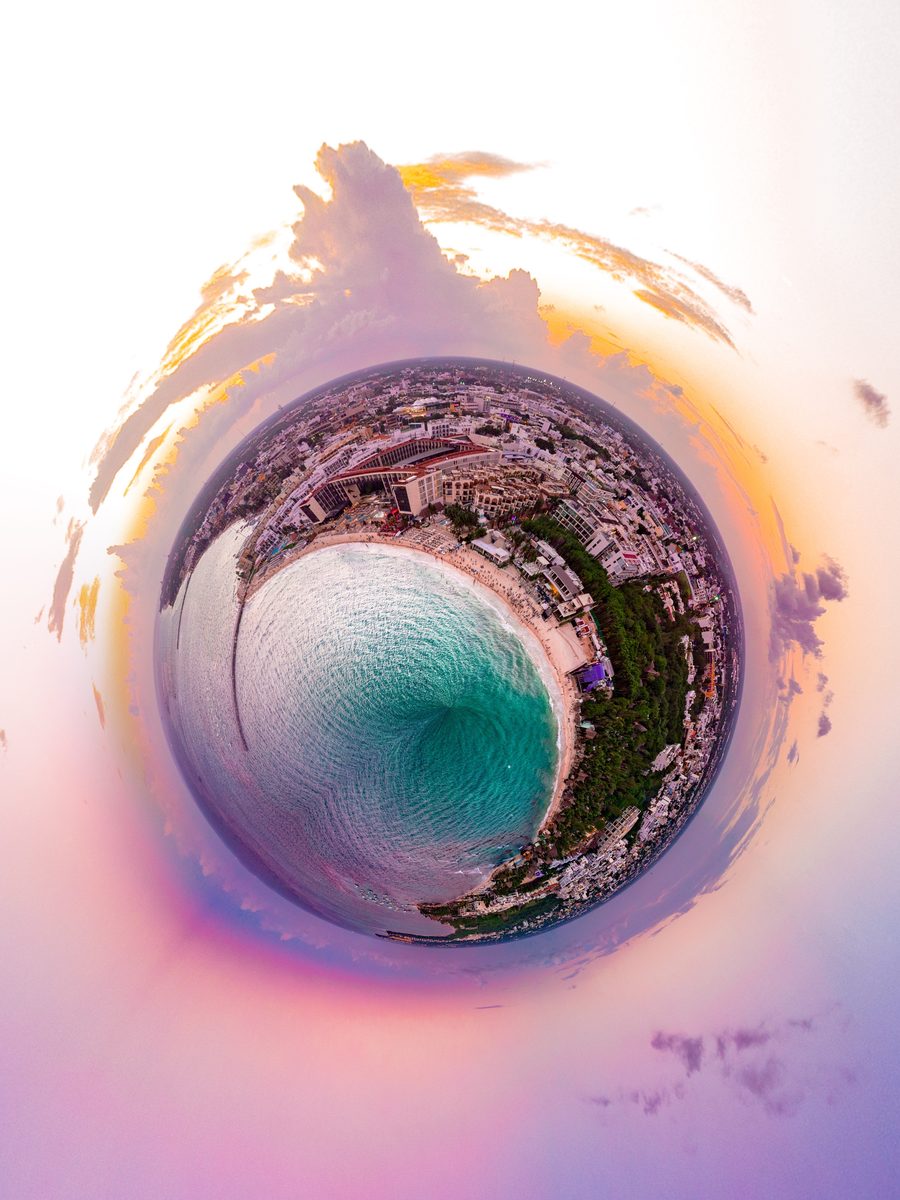 SphereEsfera360° spherical editions — small worlds of coast and jungle.Ediciones esféricas 360° — pequeños mundos de costa y selva.
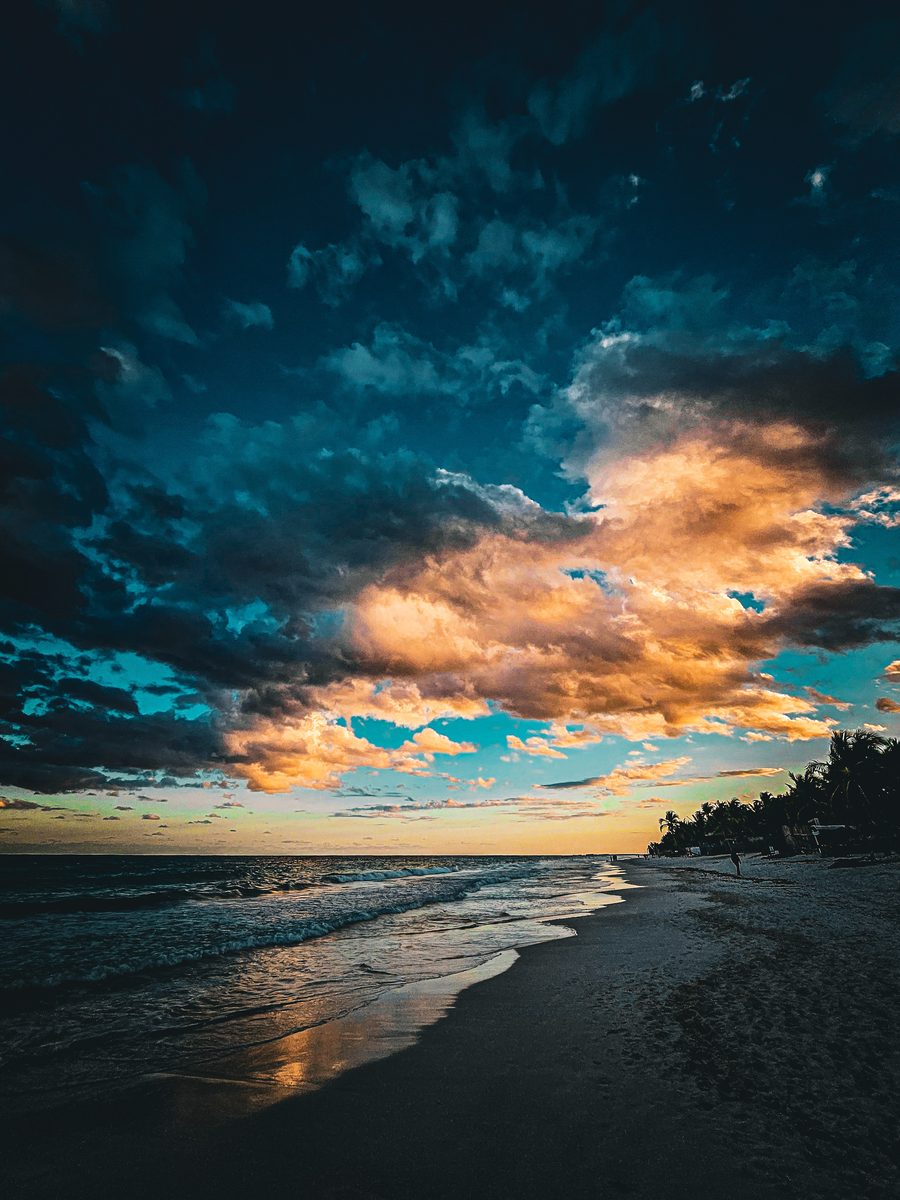 ShoreOrillaThe coast at eye level — piers, driftwood, still lagoons, and the sea meeting the sand.La costa a pie de playa — muelles, madera a la deriva, lagunas quietas y el mar tocando la arena.
Before I tell you about me, I want to tell you about my photographs.
I didn’t make them to document a place. Or to prove what a camera can do. I made them because there are moments I want to return to.
A sunrise that lasted only a few minutes. A perfect reflection on the water, before the wind broke it. A sky so full of stars my own eyes could barely make them out. The calm that arrives when, for an instant, the world seems to stop.
Every photograph you see here began long before I pressed the shutter. It began with a feeling that still makes me stop and think: “Wow… look at that light.”
So I reach for the camera. Not to freeze a moment — but to be able to go back to it.
I believe a photograph doesn’t end when it’s taken. Not even when it’s edited. It ends when it stops being a file forgotten on a computer and finds a place on someone’s wall. When it becomes part of their life. When someone looks at it every day and, without realizing, returns again and again to that instant.
That is DMB Prints.
Antes de hablarte de mí, quiero hablarte de mis fotografías.
No las hice para documentar un lugar. Ni para demostrar lo que una cámara puede hacer. Las hice porque hay momentos a los que quiero volver.
Un amanecer que duró apenas unos minutos. Un reflejo perfecto sobre el agua antes de que el viento lo rompiera. Un cielo lleno de estrellas que mis propios ojos apenas alcanzaban a distinguir. La calma que aparece cuando, por un instante, el mundo parece detenerse.
Cada fotografía que ves aquí comenzó mucho antes de que presionara el disparador. Comenzó con esa sensación que todavía hoy me obliga a detenerme y pensar: “Ufff… qué luz.”
Entonces saco la cámara. No para congelar un momento. Sino para poder regresar a él.
Creo que una fotografía no termina cuando se toma. Ni siquiera cuando se edita. Termina cuando deja de ser un archivo olvidado en una computadora y encuentra un lugar en la pared de alguien. Cuando forma parte de su vida. Cuando alguien la mira todos los días y, sin darse cuenta, vuelve una y otra vez a ese instante.
Eso es DMB Prints.
CollectionsColecciones
AerialAéreoThe Riviera Maya coastline from above — reef lines, breakers, and island panoramas.La costa de la Riviera Maya desde el aire — arrecifes, rompientes y panorámicas de islas.45 works45 obras MonochromeMonocromoBlack-and-white studies — coastal minimalism and nature macro.Estudios en blanco y negro — minimalismo costero y macro de naturaleza.31 works31 obras AbstractionAbstracciónSwirl and kaleidoscope editions drawn from natural forms.Ediciones de espirales y caleidoscopios a partir de formas naturales.19 works19 obras NocturneNocturnoMilky Way, moonrise, and the coast after dark.Vía Láctea, salida de luna y la costa después del anochecer.15 works15 obras SphereEsfera360° spherical editions — small worlds of coast and jungle.Ediciones esféricas 360° — pequeños mundos de costa y selva.11 works11 obras ShoreOrillaThe coast at eye level — piers, driftwood, still lagoons, and the sea meeting the sand.La costa a pie de playa — muelles, madera a la deriva, lagunas quietas y el mar tocando la arena.13 works13 obrasAbout the artist
Sobre el artista
Now, then. Let me tell you who I am.
I’m Diego Marmolejo Bucio. I grew up in Mexico City, and in 2010 I moved to Playa del Carmen looking for my place in the world — though if I’m honest, I’d probably found my calling long before.
My first memory with a camera isn’t a photograph. It’s running barefoot across the sand in Acapulco to reach the self-timer before it fired. I was five or six. My stepdad loved photography and always found a way to put a camera in my hands. Every time I finished a roll, he sent it off to be developed right away. Without knowing it, he was feeding a curiosity that never left me.
In 2012 I talked my way onto the set of a Corona commercial in Tulum, as the assistant’s assistant. I spent more time watching than working. I couldn’t take my eyes off the director of photography. Everything moved with a precision that fascinated me. He was like the conductor of an orchestra — dozens of people working at once to build a single image.
That day I understood two things. First, that someone could really make a life behind a camera. Second, that this was exactly what I wanted to do.
I studied at the Escuela Activa de Fotografía, and since then I’ve had the good fortune to spend more than a decade making images — for hotels, architecture, real estate, restaurants, weddings, and film productions, including the behind-the-scenes stills for Caught Stealing, directed by Darren Aronofsky during its shoot in Mexico.
That path taught me that, often, you only need to move a little closer — or step a little back — to discover something that was always there.
But it also taught me something I never expected. For several years I stopped making photographs for myself. Without realizing it, I only picked up the camera when someone was going to pay me. The work took the place of the wonder. There were times I didn’t even want to look at it, because it had stopped meaning curiosity and started meaning work.
I had to learn to see again.
Today I still photograph for the same reason I did as a child. Because a light surprises me. Because a texture makes me stop. Because a reflection lasts only a few seconds. Because I’m still capable of wonder.
Drones let me find perspectives I could never reach on foot. Long exposures remind me that not everything happens in a hurry — while everything moves, I wait. It’s a kind of meditation, a way of remembering that the stars will still be there tomorrow night. And when I photograph the sky, I always end up feeling the same thing. Small.
One of the most important photographs in this collection was born in Sian Ka’an. That night there was a bonfire, music, good company, and one of the clearest skies I’ve ever seen. The Maya called that place “the origin of the sky,” and that night I understood exactly why. It’s the only place, besides Bacalar, where I’ve seen the Milky Way with my own eyes, without needing a long exposure.
For many years these photographs stayed with me. Not because I didn’t believe in them. Because I wasn’t sure I believed enough in myself.
I lived a long time with impostor syndrome. It was hard to stop seeing myself only as a photographer and dare to think I could also call myself an artist. I waited too long to share this work — out of fear of criticism, out of fear no one would care, out of thinking I still wasn’t ready.
Until I understood something very simple. Not everything is for everyone. And that’s okay.
I’d rather share these photographs and find that some people will never connect with them, than spend the rest of my life wondering what might have happened if I’d never had the courage to show them.
My mentor and best friend, Raymundo “Cyber,” had a phrase I still hear every time I finish a photograph: “I want that one in my living room, cabrón.”
In time I understood it was much more than a compliment. It was a reminder that a photograph comes alive when someone decides to live with it.
That’s what I hope you find here. Not just a landscape. A way of looking at the world. And, with a little luck, an image you’ll want to see every day too.
Thank you for being here.
Dedicated to
My mother. My first and forever confidante. The person who never stopped believing in me, even when I was still learning to believe in myself. Thank you for supporting me, for covering for me when I needed it, and for reminding me, again and again, that it was worth going on.
My grandmother. I always dreamed of showing you this work the way it deserves to be seen. And now, finally, I can.
My father. Who, in his own way, has shown up and helped me get where I am.
My aunt Sandra Marmolejo. For helping me reach the sky.
Raymundo “Cyber.” My mentor. My best friend. Thank you for teaching me that madness has its rewards too, that it’s never too late to begin again, and that the best photographs don’t stay on a hard drive. I still hear your voice: “I want that one in my living room, cabrón.” I hope this collection lives up to it.
Jorge Castro. Who showed me that it isn’t the arrow that matters, but the Indian using the bow.
In memory of Cecilia Escandón Román. My teacher at the Escuela Activa de Fotografía. Thank you for teaching me far more than technique. For teaching me to observe.
And everyone who has GraCiously shared this journey with me.
Ahora sí. Déjame contarte quién soy.
Soy Diego Marmolejo Bucio. Crecí en la Ciudad de México y en 2010 me mudé a Playa del Carmen buscando mi lugar en el mundo. Aunque, si soy honesto, probablemente ya había encontrado mi vocación mucho antes.
Mi primer recuerdo con una cámara no es una fotografía. Es correr descalzo sobre la arena de Acapulco para alcanzar el temporizador antes de que se disparara. Tenía cinco o seis años. Mi padrastro disfrutaba muchísimo la fotografía y siempre encontraba la manera de poner una cámara en mis manos. Cada vez que terminaba un rollo, lo mandaba a revelar de inmediato. Sin saberlo, estaba alimentando una curiosidad que nunca me abandonó.
En 2012 me colé al rodaje de un comercial de Corona en Tulum como asistente del asistente. Pasé más tiempo observando que trabajando. No podía dejar de mirar al director de fotografía. Todo se movía con una precisión que me fascinaba. Parecía un director de orquesta. Decenas de personas trabajando al mismo tiempo para construir una sola imagen.
Ese día entendí dos cosas. La primera, que alguien realmente podía vivir detrás de una cámara. La segunda, que eso era exactamente lo que quería hacer.
Estudié en la Escuela Activa de Fotografía y desde entonces he tenido la fortuna de trabajar durante más de una década creando imágenes para hoteles, arquitectura, bienes raíces, restaurantes, bodas y producciones cinematográficas, incluyendo el detrás de cámaras de Caught Stealing, dirigida por Darren Aronofsky durante su rodaje en México.
Ese camino me enseñó que, muchas veces, basta con acercarse un poco más — o alejarse un poco — para descubrir algo que siempre estuvo ahí.
Pero también me enseñó algo que nunca esperé. Durante varios años dejé de hacer fotografías para mí. Sin darme cuenta, empecé a sacar la cámara únicamente cuando alguien me iba a pagar. El trabajo fue ocupando el lugar del asombro. Hubo momentos en los que ni siquiera quería verla, porque había dejado de representar curiosidad y había empezado a representar trabajo.
Tuve que aprender a mirar otra vez.
Hoy sigo fotografiando por la misma razón que cuando era niño. Porque una luz me sorprende. Porque una textura me obliga a detenerme. Porque un reflejo dura apenas unos segundos. Porque todavía soy capaz de asombrarme.
Los drones me permiten descubrir perspectivas que nunca podría alcanzar caminando. Las largas exposiciones me recuerdan que no todo ocurre con prisa. Mientras todo se mueve, yo espero. Es una forma de meditar, de recordar que las estrellas siempre estarán ahí mañana por la noche. Y cuando fotografío el cielo, siempre termino sintiéndome igual. Pequeño.
Una de las fotografías más importantes de esta colección nació en Sian Ka’an. Esa noche había una fogata, música, buena compañía y uno de los cielos más limpios que he visto. Los mayas llamaron a ese lugar “el origen del cielo,” y esa noche entendí perfectamente por qué. Es el único lugar, además de Bacalar, donde he podido ver la Vía Láctea con mis propios ojos, sin necesidad de una larga exposición.
Durante muchos años estas fotografías se quedaron conmigo. No porque no creyera en ellas. Porque no estaba seguro de creer lo suficiente en mí.
Viví durante mucho tiempo con el síndrome del impostor. Me costó dejar de verme únicamente como fotógrafo y atreverme a pensar que también podía llamarme artista. Esperé demasiado para compartir este trabajo. Por miedo a la crítica. Por miedo a que a nadie le interesara. Por pensar que todavía no estaba listo.
Hasta que entendí algo muy simple. No todo es para todos. Y eso está bien.
Prefiero compartir estas fotografías y descubrir que algunas personas nunca conectarán con ellas, que pasar el resto de mi vida preguntándome qué habría pasado si nunca hubiera tenido el valor de mostrarlas.
Mi mentor y mejor amigo, Raymundo “Cyber,” tenía una frase que todavía escucho cada vez que termino una fotografía: “Yo quiero esa foto en mi sala, cabrón.”
Con el tiempo entendí que eso era mucho más que un cumplido. Era un recordatorio de que una fotografía cobra vida cuando alguien decide vivir con ella.
Eso es lo que espero que encuentres aquí. No solo un paisaje. Sino una forma de mirar el mundo. Y, con un poco de suerte, una imagen que también quieras ver todos los días.
Gracias por estar aquí.
Dedicado a
A mi madre. Mi primera y eterna cómplice. La persona que nunca dejó de creer en mí, incluso cuando yo todavía estaba aprendiendo a creer en mí mismo. Gracias por apoyarme, por solaparme cuando hacía falta y por recordarme, una y otra vez, que valía la pena seguir intentando.
A mi abuela. Siempre soñé con mostrarte este trabajo como merece ser visto. Y ahora, por fin, puedo.
A mi padre. Quien, a su manera, siempre ha estado presente y me ha ayudado a llegar a donde estoy.
A mi tía Sandra Marmolejo. Por ayudarme a alcanzar el cielo.
A Raymundo “Cyber.” Mi mentor. Mi mejor amigo. Gracias por enseñarme que la locura también tiene sus recompensas, que nunca es tarde para empezar de nuevo y que las mejores fotografías no se quedan en un disco duro. Todavía escucho tu voz diciéndome: “Yo quiero esa foto en mi sala, cabrón.” Ojalá esta colección esté a la altura de esa frase.
A Jorge Castro. Quien me enseñó que no es la flecha, sino el indio.
En memoria de Cecilia Escandón Román. Mi maestra en la Escuela Activa de Fotografía. Gracias por enseñarme mucho más que técnica. Por enseñarme a observar.
GraCias a todos los que me han acompañado en este camino.